Most AI image models get the surface right. The skin looks real. The light looks plausible. But something is off and you can't always put your finger on it.
That's the gap between a technically correct frame and a cinematically directed one. Wardrobe that tells a story. A focal depth that isolates exactly what the director wants you to see. Light that comes from somewhere, not everywhere. Background separation that feels like a real lens, not a software mask.
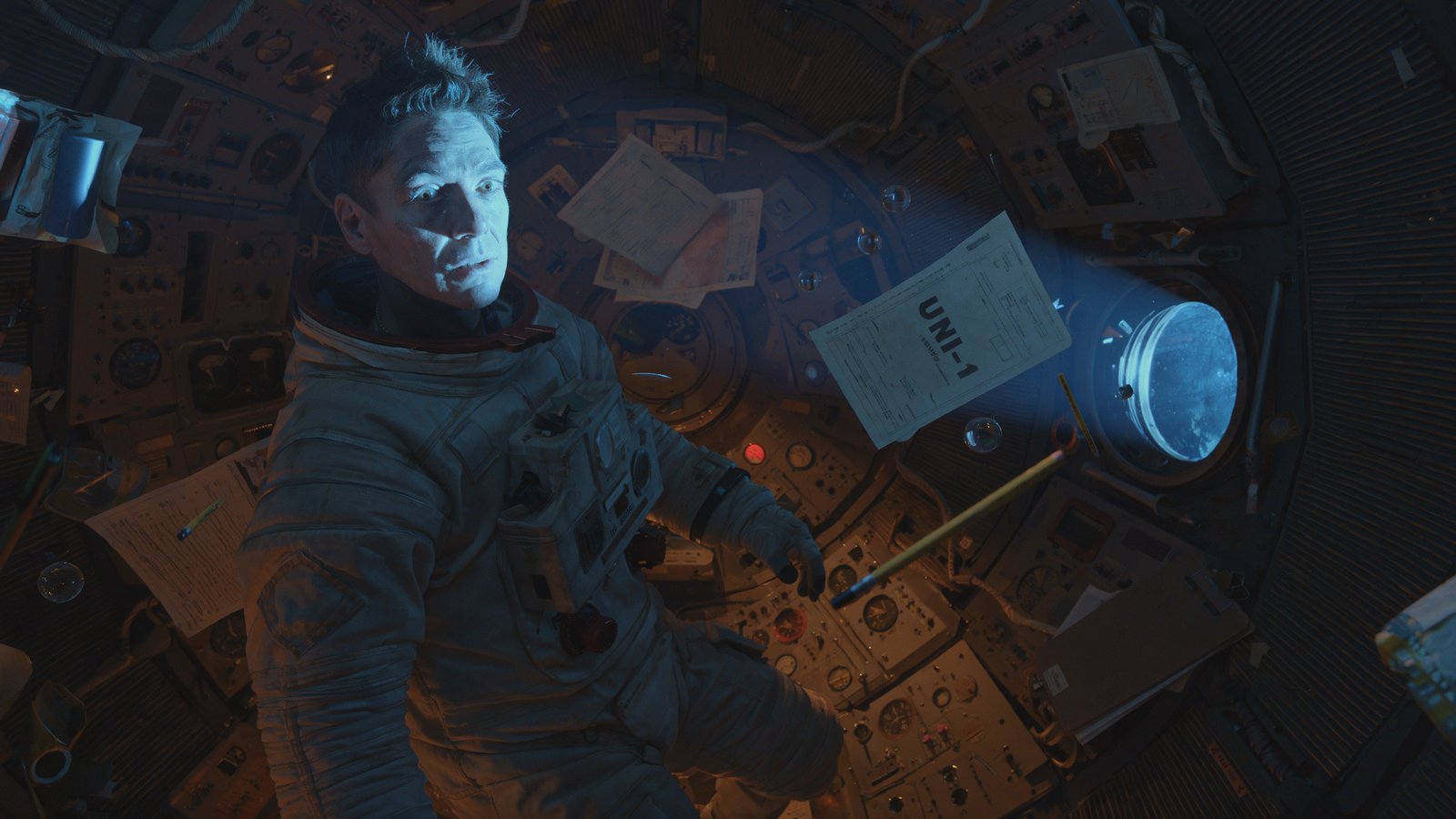
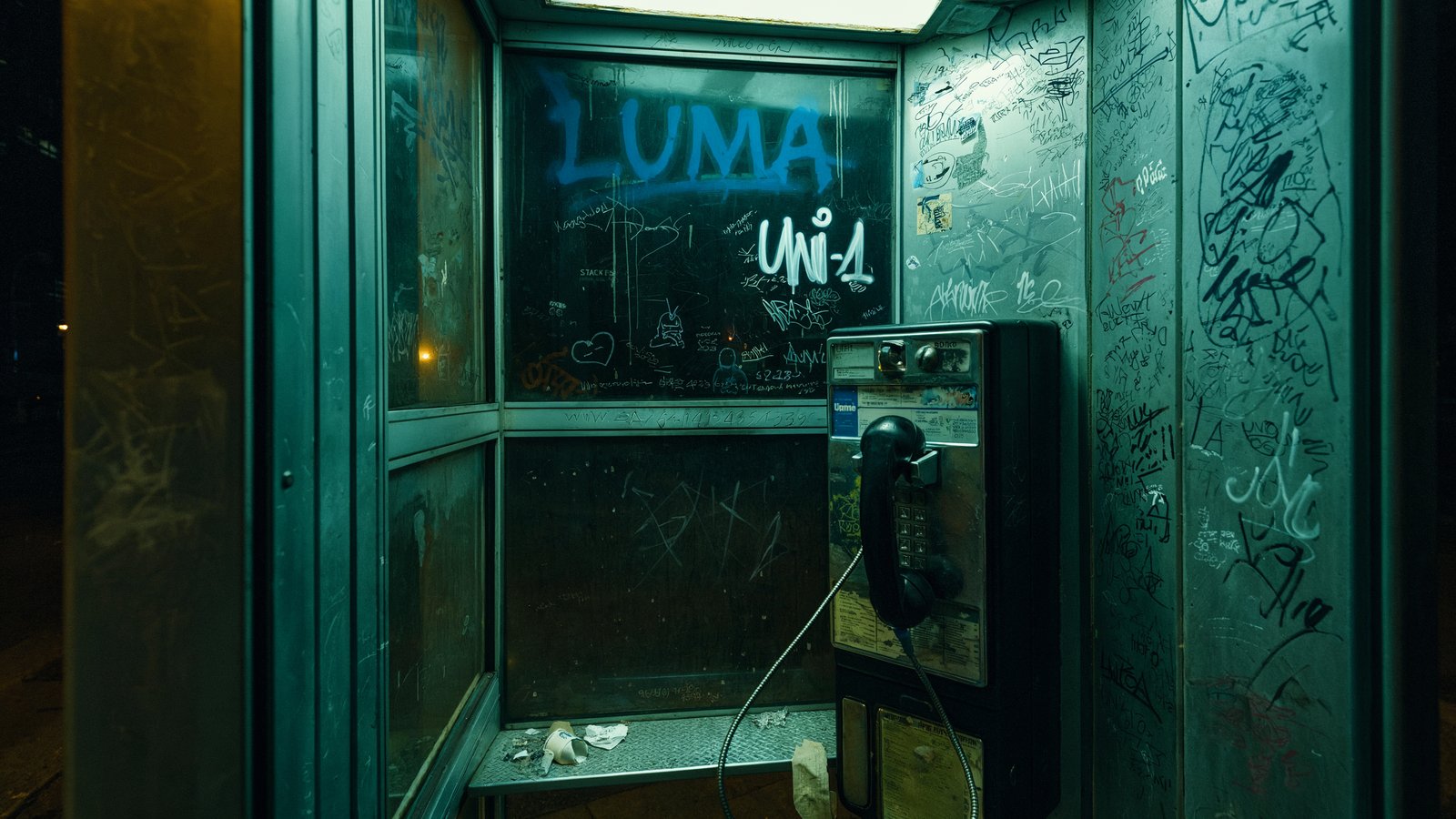
That's exactly where Luma's Uni-1 lands - and it's the most significant image model release of 2026 so far.
What Is Uni-1?
Uni-1 is Luma AI's reasoning-first image generation model, publicly available since March 23, 2026. Unlike diffusion models like Midjourney or FLUX that work by denoising, Uni-1 is a decoder-only autoregressive transformer. It processes text and images in a single interleaved sequence, and it reasons through composition before it renders.
In practice, that means it decomposes your prompt - figures out the spatial relationships, the lighting logic, the character blocking - before generating a single pixel. The result is images that feel directed rather than generated.
Resolution tops out at 2048px. Generation takes 20-40 seconds per image. It's available through the Luma AI web app at lumalabs.ai, with API access coming soon. Pricing sits around $0.09 per image at 2K - cheaper than Nano Banana 2 ($0.10) and significantly cheaper than Nano Banana Pro ($0.13).
Where Uni-1 Excels: The Director's Eye
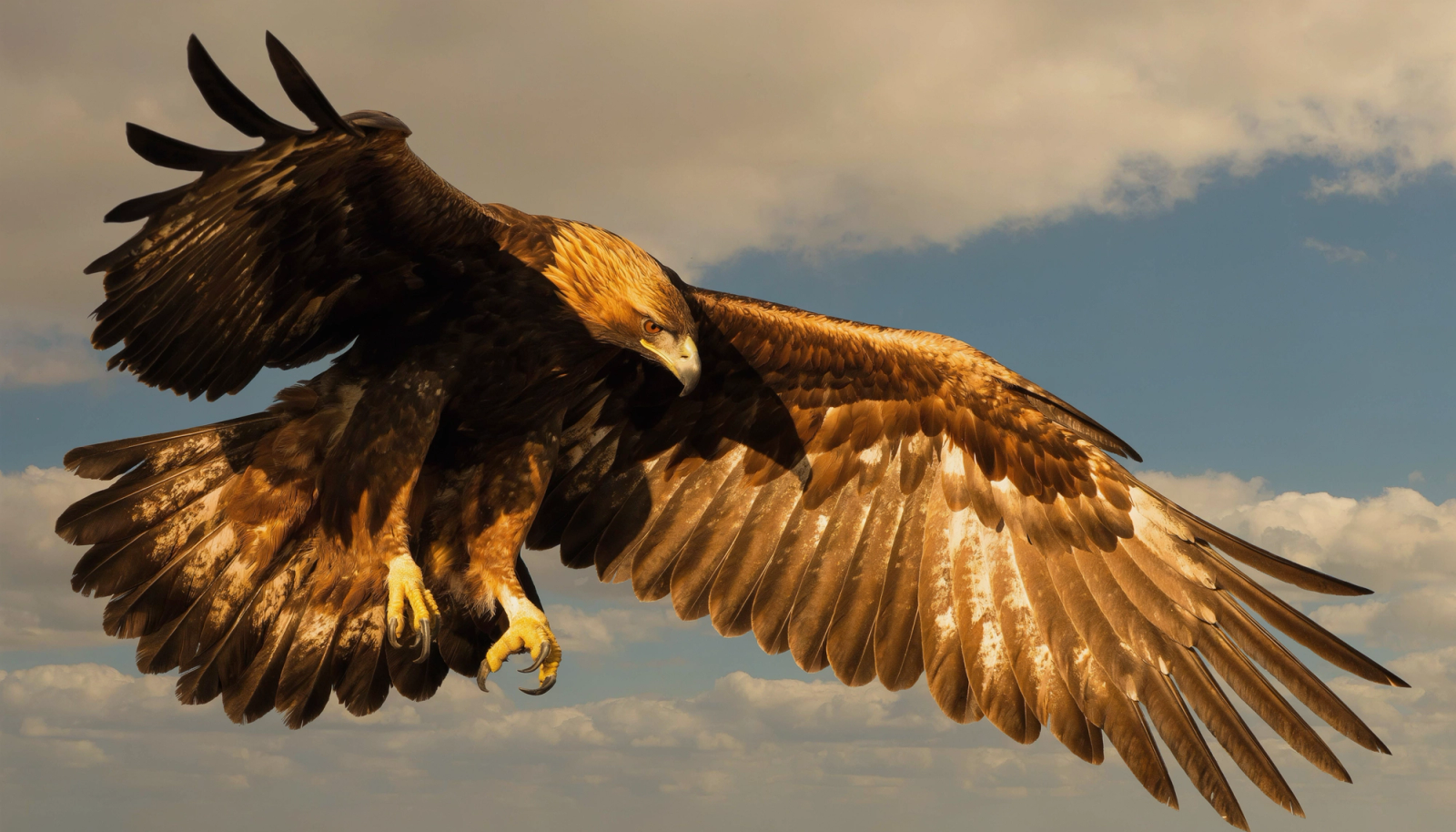
After running Uni-1 hard across dozens of setups - different characters, different environments, artificial and natural light, tight angles and wide compositions - the pattern is clear. This model understands cinematography in a way other models don't.
Character rendering. Uni-1 nails character with a capital C. Wardrobe reads as intentional costume design, not random texture generation. Facial expressions carry emotional weight and specificity. Hair behaves like hair. Hands are dramatically improved over previous-generation models. You can specify a character and get consistent results across multiple generations, especially when using reference images.
Lens simulation. This is where Uni-1 genuinely separates itself. Request an 85mm portrait lens and you get the compression, the bokeh falloff, and the background separation that an actual 85mm produces. Request a 24mm wide and the spatial relationships shift correctly - foreground elements distort, backgrounds stay in focus, the whole frame feels wider. Most models treat "shallow depth of field" as a gaussian blur on the background. Uni-1 treats it as an optical property of a specific lens at a specific distance.
Lighting direction. Specify "key light from upper camera-left with a warm fill bounce" and Uni-1 actually places the light there. Shadows fall where they should. Rim lighting wraps around the subject correctly. The model appears to understand three-point lighting setups, practical lighting, and mixed color temperature in a way that produces results you'd accept on a professional mood board.
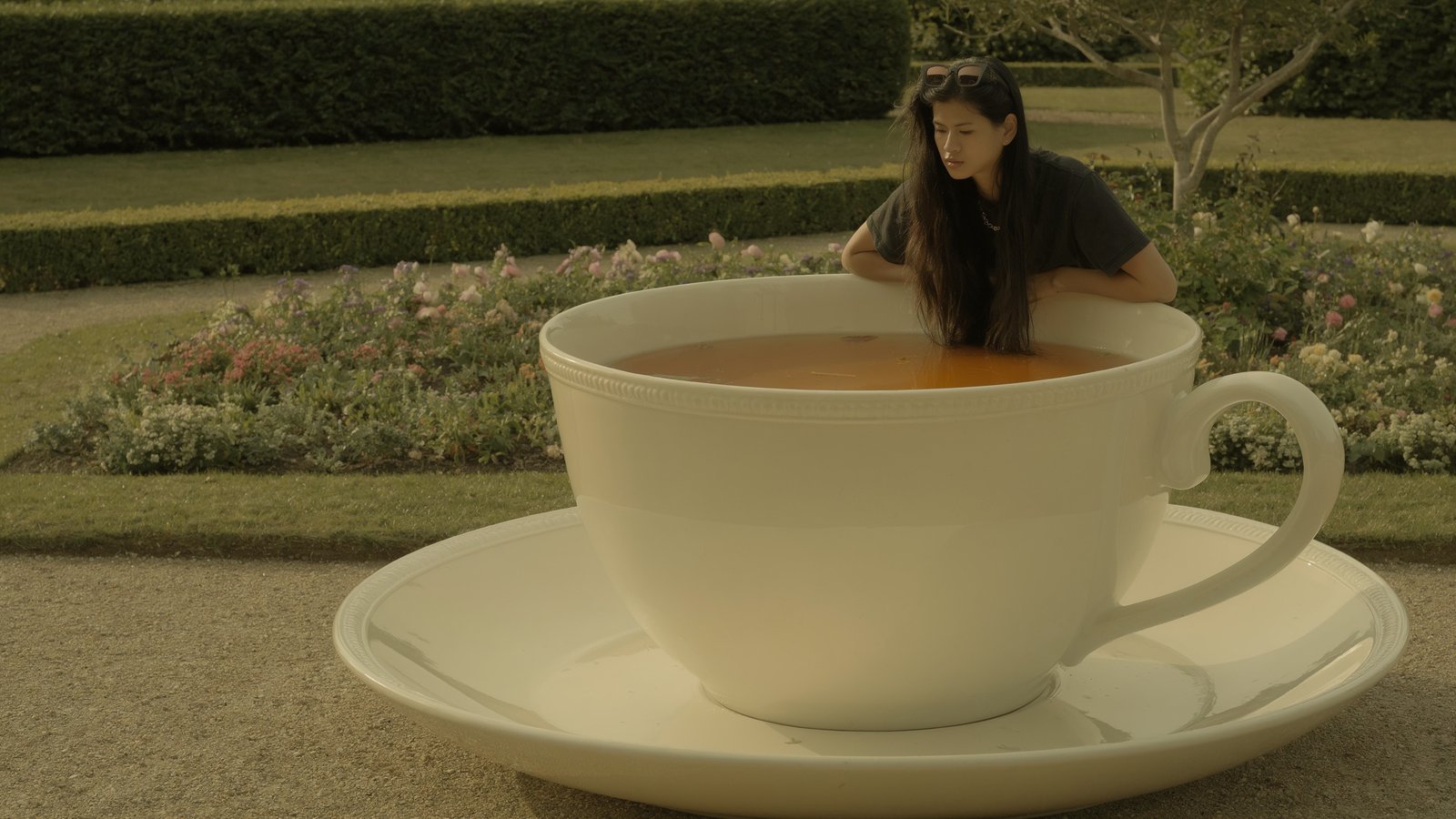
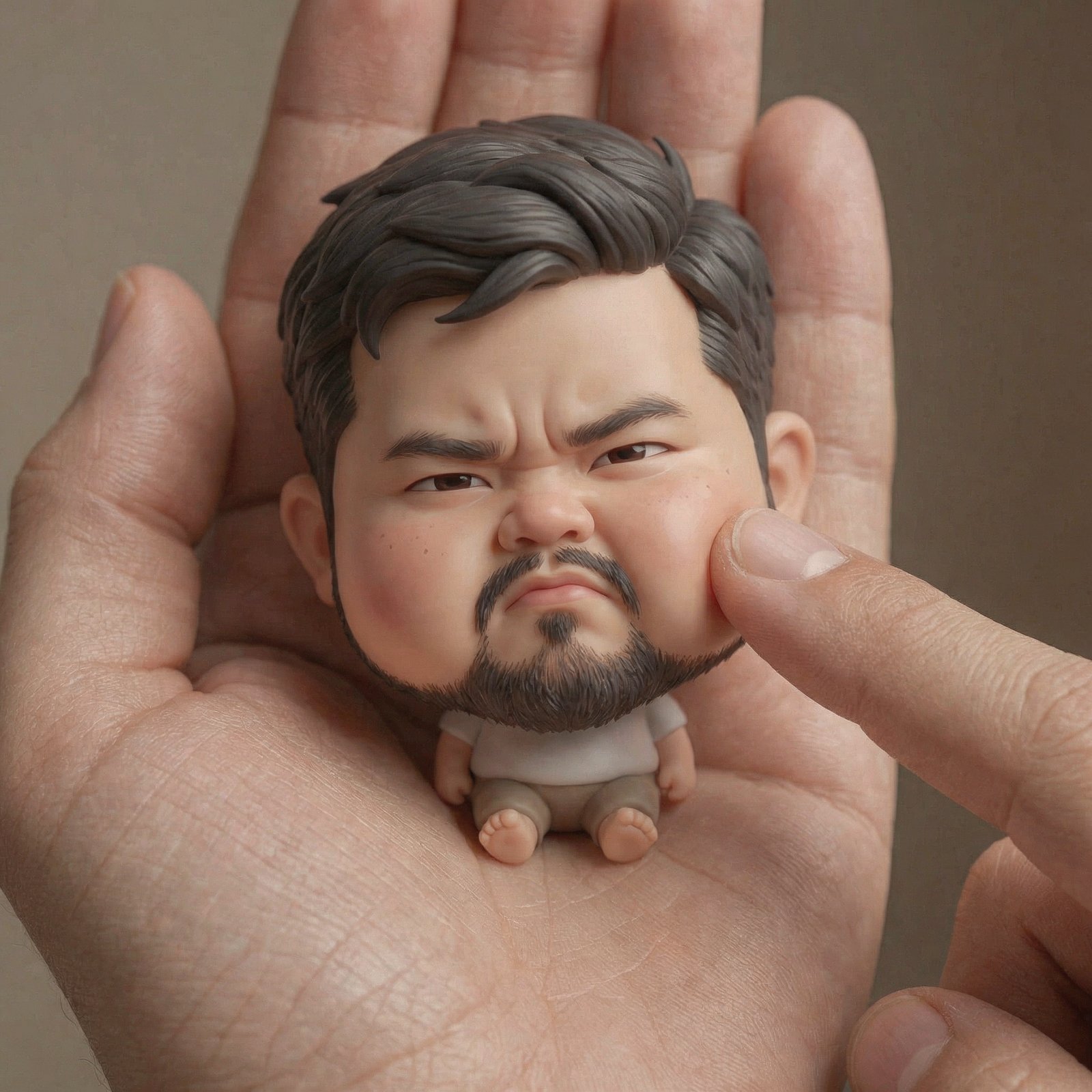
Reference image handling. Uni-1 supports up to 9 reference images with role assignment - you can tag images as CHARACTER, LIGHTING, or STYLE references. This is transformative for pre-production work where you need to maintain consistency across a project while varying composition and environment.
How It Compares
Uni-1 vs Midjourney V8. Midjourney remains faster and has a more mature ecosystem. V8 Alpha generates in seconds where Uni-1 takes 20-40 seconds. For rapid concepting and high-volume exploration, Midjourney is still the workhorse. But for hero frames where every element needs to feel intentionally directed, Uni-1 produces more cinematically coherent results. Midjourney tends toward a recognizable aesthetic; Uni-1 is more neutral and responds better to specific art direction.
Uni-1 vs Nano Banana 2. Google's model excels at text rendering, fast iteration (4-15 seconds), and integration with the Gemini ecosystem. For product shots with text overlays or rapid prototyping, Nano Banana 2 is more practical. Uni-1 wins on compositional intelligence, spatial coherence, and anything requiring careful lighting or lens-aware rendering.
Uni-1 vs FLUX.2. FLUX offers 32-billion-parameter photorealism and runs locally for free if you have the GPU. For raw photorealism FLUX is competitive. But Uni-1's reasoning engine gives it a significant edge in complex multi-element compositions where spatial relationships and lighting interactions matter.
Uni-1 vs Reve Image 1.0. Reve is cheaper ($0.01-0.04 per image) and excellent at prompt adherence and text rendering. For volume work and rapid iteration, Reve wins on economics. For art-directed cinematographic frames - the kind where you're making director-level decisions about lens choice, lighting ratio, and character blocking - Uni-1 and Reve sit in the same top tier. Both produce work that feels directed rather than generated.
Where Uni-1 Falls Short
No text rendering. If your frame needs legible text - product packaging, signage, UI elements - Uni-1 is not the tool. Use Nano Banana 2 or Reve for that.
No product integration. For e-commerce product shots or anything requiring precise object placement with brand assets, Uni-1 struggles. This is a concepting and cinematography tool, not a product photography replacement.
Speed. At 20-40 seconds per generation, it's slower than Midjourney V8 (seconds) and Nano Banana 2 (4-15 seconds). For high-volume exploration sessions where you're generating 50-100 concepts, the wait adds up.
No API yet. As of April 2026, Uni-1 is web-app only. API access is announced but not live. Studios that need programmatic access or pipeline integration will need to wait.
The Professional Workflow
The smart move isn't to replace your current image stack with Uni-1. It's to know what each model is best at and reach for the right one.
Rapid concepting (50-100+ images): Midjourney V8 Alpha. Speed and volume.
Hero frames and mood boards: Uni-1. Art direction, lens behavior, lighting.
Text and product integration: Nano Banana 2 or Reve Image 1.0.
Open source and custom pipelines: FLUX.2 through ComfyUI.
Refinement and compositing: Photoshop with Generative Fill. Always.
For AI video workflows specifically, Uni-1 is now the strongest starting point for image-to-video pipelines. Generate your key frame in Uni-1 with precise art direction, then animate with Kling 3.0, Seedance 2.0, or Runway Gen-4.5. The quality of the source image dramatically affects the quality of the generated video - and Uni-1 gives you more control over that source image than anything else available.
Pricing
| Model | Cost Per Image (2K) | Speed | Text Rendering | Best For |
|---|---|---|---|---|
| Uni-1 | ~$0.09 | 20-40s | No | Art direction, cinematography |
| Midjourney V8 | ~$0.05-0.10 | 3-8s | Limited | Volume concepting |
| Nano Banana 2 | ~$0.10 | 4-15s | Yes | Text, fast iteration |
| Reve Image 1.0 | ~$0.01-0.04 | Fast | Yes | Volume, prompt adherence |
| FLUX.2 | Free (local) | 10-30s | Limited | Photorealism, custom pipelines |
Verdict
Uni-1 is the model you reach for when the frame needs to feel like someone with taste directed it. Not for every task - it's too slow for high-volume exploration, it can't do text, and it won't replace your product photography workflow. But for art-directed cinematographic work - character, lighting, lens, composition - it's right up there with Reve as the best available.
Know what a model is good at. Then push it there.
Uni-1 is available now at lumalabs.ai. Shout out to the Luma team - they absolutely cooked on this one.